When 'Intuitive' Doesn't Feel Intuitive: Unpacking Apple's Most Misleading Design Word
You've seen it everywhere. On Apple's website, in keynote presentations, in glowing tech reviews: intuitive. "The most intuitive interface we've ever designed." "Intuitive controls that feel natural from the first touch." It shows up so often in Apple's language that it almost becomes invisible — just another piece of marketing wallpaper.
But here's the thing. If you're learning English and you look up intuitive in a dictionary, you'll probably find something like: "based on what one feels to be true even without conscious reasoning." That sounds reasonable enough. Yet the moment you actually sit down with a new Apple product, you might find yourself hunting for a button that isn't there, or wondering why a swipe does something completely unexpected. And then comes the uncomfortable question: Was I supposed to just... know that?
Welcome to one of the most interesting vocabulary traps in American tech culture.
What the Word Actually Means (In Theory)
The root of intuitive is intuition — that gut feeling, that inner knowing. When something is intuitive, the idea is that you don't need instructions. Your brain already knows what to do. You reach for the right thing instinctively.
In everyday American English, you might hear intuitive used like this:
- "She had an intuitive sense that something was wrong."
- "He's an intuitive listener — he always knows what you need to hear."
In these examples, intuition is personal and emotional. It's about reading a situation without overthinking it.
But when Apple or any tech company calls a product intuitive, they're using the word differently. They mean: most people, most of the time, will figure this out quickly without reading a manual. It's a statistical claim dressed up as a feeling.
The Cultural Assumptions Hidden Inside the Word
Here's where things get genuinely interesting — and a little tricky for English learners.
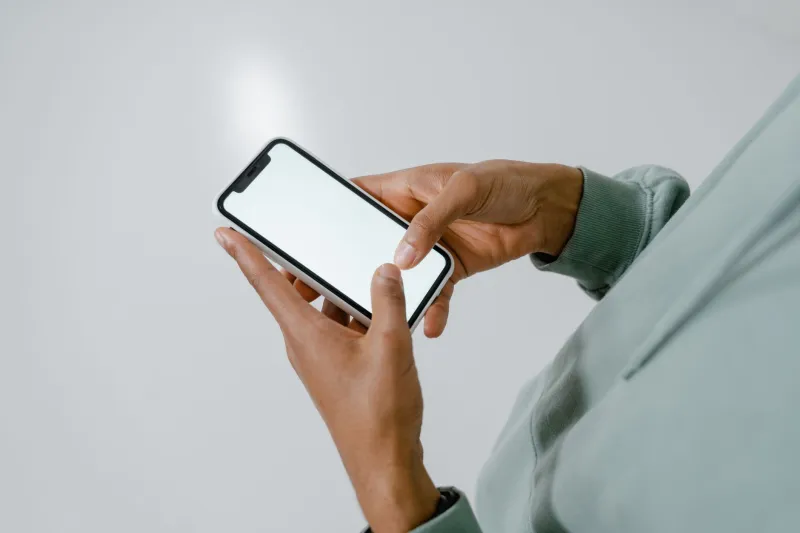
When Apple says an interface is intuitive, they're making a quiet assumption: that you share the same set of prior experiences as their imagined user. And that imagined user grew up in a very specific context. They've used smartphones for years. They're familiar with gestures like pinching, swiping, and long-pressing. They've internalized design conventions that were established by decades of Western software culture.
For someone who didn't grow up with those conventions, nothing about a pinch-to-zoom gesture is natural. It's learned behavior that has simply become invisible to people who've practiced it long enough.
This is what linguists sometimes call a presupposition — an assumption embedded inside a statement that the speaker never bothers to make explicit. When Apple says "intuitive," the presupposition is: intuitive for someone like our existing users.
For English learners navigating a new language and a new tech ecosystem at the same time, that hidden clause can feel like a door that's been locked from the inside.
Real Talk: What Apple Support Forums Reveal
Spend a few minutes browsing Apple's support communities or Reddit threads like r/AppleHelp, and you'll find a fascinating pattern. Native and non-native speakers alike post questions like:
- "Why does my iPhone keep going back to the home screen?" (Answer: the back-swipe gesture.)
- "How do I close an app on the new iPad?" (Answer: a specific upward swipe, but only from the right spot.)
- "Where did Control Center go?" (Answer: it moved — again.)
These are the moments when the promise of intuitive quietly falls apart. And crucially, many of these posts come with a self-deprecating apology: "Sorry if this is a dumb question..." People feel like they failed the product, rather than the other way around.
That guilt? It's partly the word intuitive doing its work. If a product is supposed to be intuitive, and you don't find it intuitive, the implied message is that something is off with you.
How to Use 'Intuitive' Correctly in Your Own English
Now that you understand the word's complexity, let's talk about how to use it well — because it is a genuinely useful word when deployed carefully.
Use it for things that feel natural without training:
- "The new app layout is really intuitive — I found everything I needed on the first try."
- "The controls took some getting used to; I wouldn't call them intuitive, honestly."
Avoid using it as a generic compliment for anything that works well. In tech writing, intuitive specifically means low learning curve, not just functional or well-designed.
Watch for it as a signal in marketing language. When a company calls something intuitive, ask yourself: intuitive for whom? That question will sharpen your reading of tech content significantly.
Common collocations (words that go with intuitive):
- intuitive interface / design / controls / navigation / experience
- feel intuitive, seem intuitive, become intuitive (over time)
- surprisingly intuitive, genuinely intuitive (these add credibility)
- not the most intuitive (a polite way of saying confusing)
The Bigger Language Lesson Here
The word intuitive is a perfect case study in what language teachers call false friends of context — not false cognates exactly, but words that seem straightforward until you realize they carry a whole invisible world of assumptions.
American tech vocabulary is full of these. Words like seamless, frictionless, native, and elegant all sound simple but encode complex cultural and design philosophies. When you learn to read those layers, you're not just learning English — you're learning how a particular industry thinks about people, technology, and the relationship between them.
And honestly? Noticing that gap — the space between what intuitive promises and what the experience actually delivers — makes you a sharper reader, a better tech communicator, and a more confident English user.
So the next time you see Apple describe something as intuitive, don't take it personally if it takes you a minute to figure out. The word was always more complicated than it looked.
Want to keep building your tech vocabulary? Explore more word breakdowns in our Vocabulary & Usage section at Apple English.