Decoded: The Startup Slang Americans Use Like Everyone Already Knows It

Photo: startup team brainstorming whiteboard Silicon Valley office casual, via thumbs.dreamstime.com
Imagine sitting in on a startup meeting somewhere in San Francisco. Someone says, "We need to ship this before the weekend, stay scrappy, and make sure we have the bandwidth to handle the pivot." Everyone nods. Nobody asks a single question.
If you're learning English — even if your everyday English is pretty solid — sentences like that can feel like a different language entirely. And honestly? That's because they kind of are.
Startup culture in America has developed its own internal vocabulary. These aren't technical programming terms or product specs. They're social words — the kind that signal you belong, that you understand how the game is played. Knowing them isn't just useful for your career. It's a window into how American entrepreneurial culture actually thinks.
Let's decode some of the biggest ones.
"Ship It" — Launching Is Everything
In traditional English, ship means to send a physical package somewhere. But in startup culture, to ship means to release a product, feature, or update to users.
You'll hear phrases like:
- "We need to ship this by Friday."
- "Done is better than perfect — just ship it."
- "The team shipped three features last sprint."
The underlying philosophy here is important. Startups often believe that releasing something imperfect but real is better than waiting for a polished version that never arrives. When an American tech worker says "ship it," they're not just describing a task — they're expressing a whole attitude about speed, momentum, and progress over perfection.
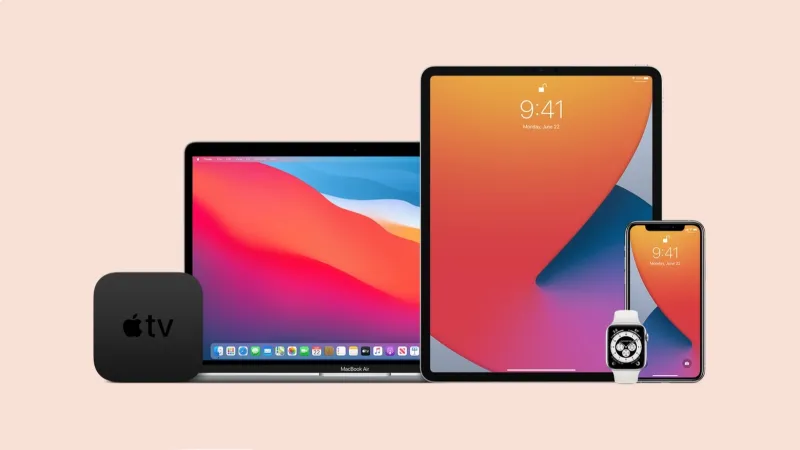
Apple, interestingly, is famous for doing the opposite — holding products back until they feel right. That tension between "ship fast" startup culture and Apple's reputation for polish is a real ongoing debate in Silicon Valley.
"Scrappy" — A Compliment in Disguise
This one surprises a lot of English learners. In everyday American English, scrappy can mean someone who gets into fights easily — a scrappy kid on the playground, for example. But in startup culture, calling a team or a founder scrappy is almost always a compliment.
It means: resourceful, determined, able to get results without much money or support.
Venture capitalists (the investors who fund startups) love scrappy founders. It tells them the team won't burn through cash carelessly. You'll hear it in pitch meetings:
- "This team is incredibly scrappy — they built their MVP with almost no budget."
- "We're a scrappy operation right now, but we're growing fast."
The word carries a kind of romantic American mythology — the underdog who outworks everyone else. Think of it as the startup version of the classic American dream story.
"Pivot" — Changing Direction Without Admitting Failure
In dance or basketball, a pivot means rotating around one fixed foot. In startup English, to pivot means to significantly change your business strategy — usually because the original plan wasn't working.
What makes this word culturally fascinating is what it avoids saying. Nobody says, "Our idea failed, so we're doing something completely different." Instead, they say, "We pivoted."
The language reframes a setback as a strategic move. It sounds intentional and confident rather than desperate. Some of the most famous companies in tech history pivoted dramatically — and today those pivots are told as heroic origin stories.
Watch for it in conversations like:
- "After six months, we pivoted from B2C to B2B."
- "The pivot was hard, but it's what saved the company."
Understanding pivot also helps you understand how American startup culture talks about failure — rarely directly, almost always through softer, more optimistic framing.
"Bandwidth" — And It Has Nothing to Do With Wi-Fi
If you've studied networking or technology, you know bandwidth as the capacity of an internet connection. In startup offices, though, the word has jumped from technical to personal.
Bandwidth in everyday startup English means a person's available time, energy, or mental capacity.
- "I don't have the bandwidth to take on another project right now."
- "Does the team have bandwidth this week to handle onboarding?"
- "She's great, but she's at full bandwidth already."
This is a great example of how tech culture borrows technical metaphors and applies them to human beings — which is both clever and a little telling about how Silicon Valley sometimes thinks about people. When you hear this word, translate it mentally to: time and energy available.
"Runway" — The Clock Is Always Ticking
Borrowed from aviation, runway in startup culture refers to how long a company can keep operating before it runs out of money.
- "We have about 18 months of runway left."
- "We need to close this funding round to extend our runway."
The metaphor is vivid once you picture it: a plane needs enough runway to take off before reaching the end. A startup needs enough cash to reach profitability — or the next funding round — before the money runs out. It's one of those startup words that feels genuinely poetic once you understand it.
"Iterate" — Progress in Small Steps
To iterate means to repeat a process with small improvements each time. In software development, it has a precise technical meaning. In startup meetings, it gets used much more loosely to mean: try something, learn from it, and make it a little better.
- "Let's iterate on the design based on user feedback."
- "We're still iterating — this isn't the final version."
This word signals a mindset: that products are never truly finished, just continuously improving. Apple uses similar language when it talks about software updates and new hardware generations — the idea that version 1.0 is just the beginning.
Why This Language Matters for English Learners
Startup slang isn't random. Every one of these words reflects something real about American entrepreneurial values: speed, resilience, optimism, and a deep comfort with uncertainty. When you learn the vocabulary, you're also learning the culture.
If you work in tech, study business, or follow American startup news, these words will appear constantly — in podcasts, interviews, LinkedIn posts, and pitch decks. Understanding them helps you participate more confidently in professional conversations.
And the next time someone says "We need to stay scrappy, iterate fast, and ship before we run out of runway" — you'll be the one nodding along, completely in the loop.
Want more tech vocabulary explained in plain English? Explore the Apple English Tech Glossary for more terms that matter in today's digital world.