What Does 'Pro' Even Mean? Cracking Apple's Product Naming Code
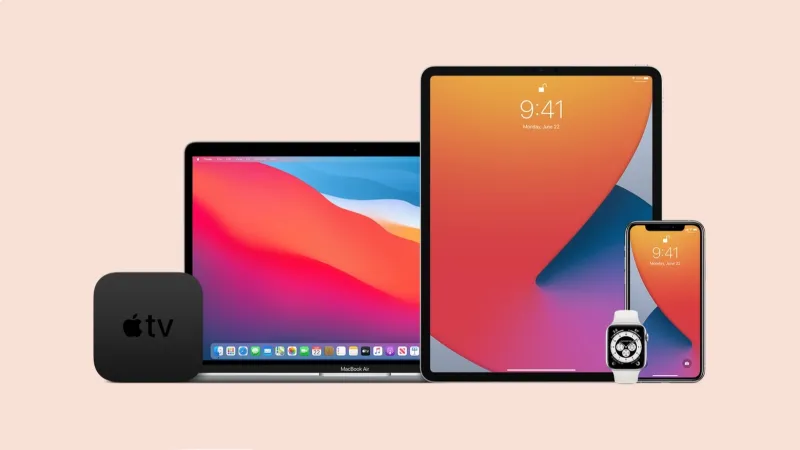
Photo: Apple product lineup on white background iPhone MacBook iPad, via www.cultofmac.com
You've been studying English for years. You can read a novel, write a business email, and hold a conversation without breaking a sweat. Then you walk into a Best Buy, look at a shelf full of Apple products, and suddenly feel completely lost.
iPhone 15 Pro Max. MacBook Air M3. Apple Vision Pro. iPad mini.
What do any of these actually mean? Why is one phone a "Pro" and another just... not? Why is a laptop called "Air"? And what on earth is a "Vision"?
If these questions have crossed your mind, you're not alone—and you're definitely not missing something obvious. Apple's naming strategy is deliberately abstract, and it breaks almost every rule you learned in English class. Let's decode it together.
Why Apple's Names Feel So Weird
In traditional English, product names tend to be descriptive. A "dishwasher" washes dishes. A "lawnmower" mows lawns. The name tells you what the thing does. Easy.
Apple doesn't do that. Apple uses what linguists call minimalist branding—names that are short, emotionally suggestive, and intentionally vague. The goal isn't to describe the product. It's to make you feel something about it.
Take the word "Air." In everyday English, air is the invisible stuff you breathe. It's light, effortless, and everywhere. Apple borrowed those emotional associations and applied them to a laptop. The MacBook Air isn't literally made of air—but the name suggests it's thin, light, and easy to carry. That's pure marketing psychology dressed up as vocabulary.
This is a major reason non-native speakers find tech product names confusing. You're not misunderstanding English. You're encountering a different kind of English—one built around feeling rather than function.
Breaking Down the Apple Naming Formula
Once you understand the system, the names start making a lot more sense. Here's a quick guide to Apple's most common naming patterns:
The Brand Prefix: i, Mac, and Apple
Apple uses three main prefixes to signal product families:
-
i (iPhone, iPad, iMac, iPod): The lowercase "i" was introduced with the iMac in 1998. Steve Jobs said it stood for "internet," but also for "individual" and "inspire." Over time, it became shorthand for personal Apple technology. If you see a lowercase "i" at the start of a product name, you know it's an Apple device designed for everyday personal use.
-
Mac (MacBook, Mac mini, Mac Pro): "Mac" is short for Macintosh, Apple's original computer line from 1984. It signals computing power—laptops and desktops built for getting serious work done.
-
Apple (Apple Watch, Apple TV, Apple Vision Pro): When Apple drops the prefix entirely and just uses its own name, it usually means the product is entering a brand-new category. It's Apple saying, "This is so new, we're putting our full name on it."
The Modifier Words: Pro, Max, Air, mini, Plus
These are the words that trip up English learners the most, because Apple uses ordinary English adjectives in very specific—and sometimes counterintuitive—ways.
-
Pro: Short for "professional." In Apple's world, Pro means more power, more features, and a higher price. It's aimed at people who use technology for demanding creative or technical work—photographers, video editors, developers.
-
Max: Exactly what it sounds like—the biggest, most powerful version available. The iPhone 15 Pro Max is the largest and most capable iPhone in the lineup.
-
Air: As we discussed, Air means light and portable. It's the "everyday" option—capable, but optimized for people who prioritize carrying convenience over raw power.
-
mini: Small in size. The iPad mini is just a smaller iPad. The Mac mini is a desktop computer without a screen—compact enough to sit on your desk without taking up much space.
-
Plus: A step up from the base model, but not quite Pro territory. Think of it as the middle ground.
The Word "Pro" in American English
Here's a bonus vocabulary lesson: outside of Apple products, "pro" is extremely common in American casual English, and it's worth knowing.
Americans use "pro" as both a noun and an adjective in everyday conversation:
- "She's a total pro at presenting." (She's very skilled.)
- "That's such a pro move." (That was impressively smart or skillful.)
- "Let's go over the pros and cons." (The advantages and disadvantages.)
When Apple uses "Pro" in its product names, it's borrowing this cultural shorthand. It's not just saying the device is powerful—it's implying that you are a professional, or aspiring to be one. That's sophisticated marketing language, and recognizing it will help you understand a lot of advertising copy in American English.
Abstract Names and What They Signal
Apple Vision Pro deserves its own moment here, because it's the most abstract name in Apple's current lineup.
Vision is not a technical term. It doesn't describe what the device does in any literal way. In English, "vision" can mean eyesight, but it more often refers to a dream, a goal, or a way of seeing the future. Apple chose this word to position the product as something forward-looking and almost philosophical—not just a gadget, but a glimpse of what computing could be.
This is a technique called aspirational naming, and American tech companies use it constantly. When you see a product name that feels more like a concept than a description, that's usually what's happening. The company is selling an idea, not just an object.
How to Use This Knowledge in Real Life
Understanding Apple's naming logic isn't just useful for shopping. It gives you a window into how American marketing and business communication work more broadly.
Next time you're reading a tech article, a job posting, or even a startup's website, notice the language they use. Are they describing what something does, or how it makes you feel? Are they using minimalist, evocative words rather than detailed explanations?
That gap—between what something is and how it's positioned—is where a huge amount of American professional English lives. Learning to read it, and eventually write it, will make you a sharper communicator in any tech environment.
And hey, if someone asks you what the difference between an iPhone 15 and an iPhone 15 Pro Max is? Now you can actually explain it—in English.