One Bad Apple, One Low-Hanging Branch: The Fruit Bowl of American Business Idioms
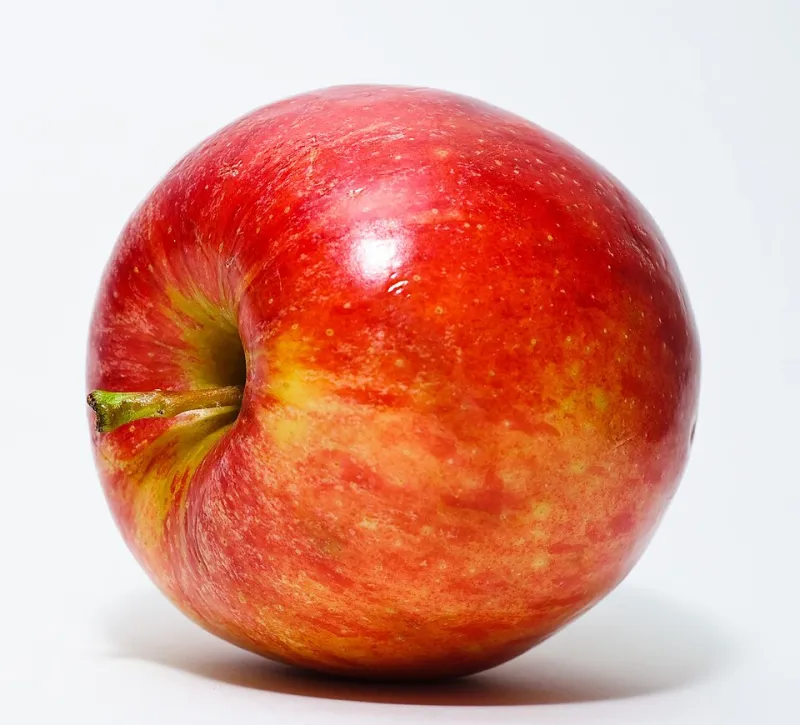
Photo: Abhijit Tembhekar from Mumbai, India, CC BY 2.0, via Wikimedia Commons
Here's an irony we enjoy at Apple English: Americans named a billion-dollar tech company after a fruit, then built half their workplace idioms out of the same fruit bowl. If you've sat through a single American meeting, you've probably heard someone talk about 'low-hanging fruit' or warn the team about 'one bad apple.'
If you nodded along without knowing what any of it meant — welcome. You're in the right orchard.
The Vocabulary of the Vine: Literal vs. Figurative
English learners usually meet fruit words early. Apple, cherry, peach, lemon. Easy nouns, concrete objects, useful at any grocery store in the US.
Then you enter an American office and hear:
- 'That new vendor is a real lemon.'
- 'She's the apple of the CEO's eye.'
- 'Let's grab the low-hanging fruit before Q3 ends.'
Same words, completely different meaning. This is the figurative layer of English: words stop describing objects and start describing people, situations, and judgments. The trick is learning which fruit carries which attitude — because each one has a surprisingly specific flavor.
'One Bad Apple' — and Why Americans Get It Half Right
The full proverb is 'one bad apple spoils the whole barrel.' Historically, it's a warning: rot spreads. One careless teammate, one dishonest manager, and the whole group suffers.
But in modern American speech, you'll hear it shortened: 'Don't worry about him, he's just one bad apple.' Notice the shift. The shortened version often minimizes the problem, while the full version warns about it. Tech journalists do this constantly — a headline about a data breach scandal might read, 'Was this one bad actor, or is the whole company rotten?'
How to use it: call a person a 'bad apple' when their behavior is the exception. If the problem is systemic, Americans reach for the next idiom.
'Rotten to the Core' — When It's Not Just One
This one goes deeper — literally. A bad apple is one piece of fruit; something 'rotten to the core' is ruined all the way through. Americans use it for institutions, not individuals: 'The agency was rotten to the core.'
The useful word hiding inside is core. In everyday tech English, 'core' means the essential center of something — 'core features,' 'core values,' 'core functionality.' When Apple says a product update improves 'core performance,' they mean the essential engine, not the decorative extras. Learn 'core' once and you unlock both the idiom and the product page.
'Low-Hanging Fruit' — America's Favorite Meeting Phrase
Picture an orchard. The fruit on the lowest branches is easy to pick. No ladder, no effort. In business English, 'low-hanging fruit' means the easiest wins — tasks that take little effort but still show results.
'Before we rebuild the whole app, let's fix the onboarding flow. That's low-hanging fruit.'
It's so common it has become a cliché, and some Americans now mock it — you might hear 'I'm so tired of hearing about low-hanging fruit.' Use it, but know it marks you as fluent in office-speak, for better or worse.
'Apple of My Eye' and Other Sweet Ones
Not every fruit idiom is negative. If someone is the 'apple of my eye,' they're deeply cherished — originally an old expression for the pupil of the eye, the thing you literally see the world through. A 'peach' is a lovely person: 'Thanks for covering my shift, you're a peach.' A 'cherry on top' is a small bonus on something already good.
The pattern to notice: sweet fruit = praise, rotten fruit = criticism. Once you see it, the whole idiomatic fruit bowl organizes itself.
A Quick Practice Pantry
Match the idiom to the situation:
- Your teammate fixed two tiny bugs before lunch. → low-hanging fruit
- A manager embezzled money and the audit found deeper problems. → rotten to the core
- Your grandmother's favorite grandchild. → the apple of her eye
- A used car that breaks down immediately. → a lemon
Try writing your own sentence with 'low-hanging fruit' this week — ideally about your actual job. Idioms stick when they're attached to your real life, not to a flashcard.
And yes, we know: an English site named Apple English writing about apple idioms is a little on the nose. We're the apple of our own eye. Someone had to say it.